
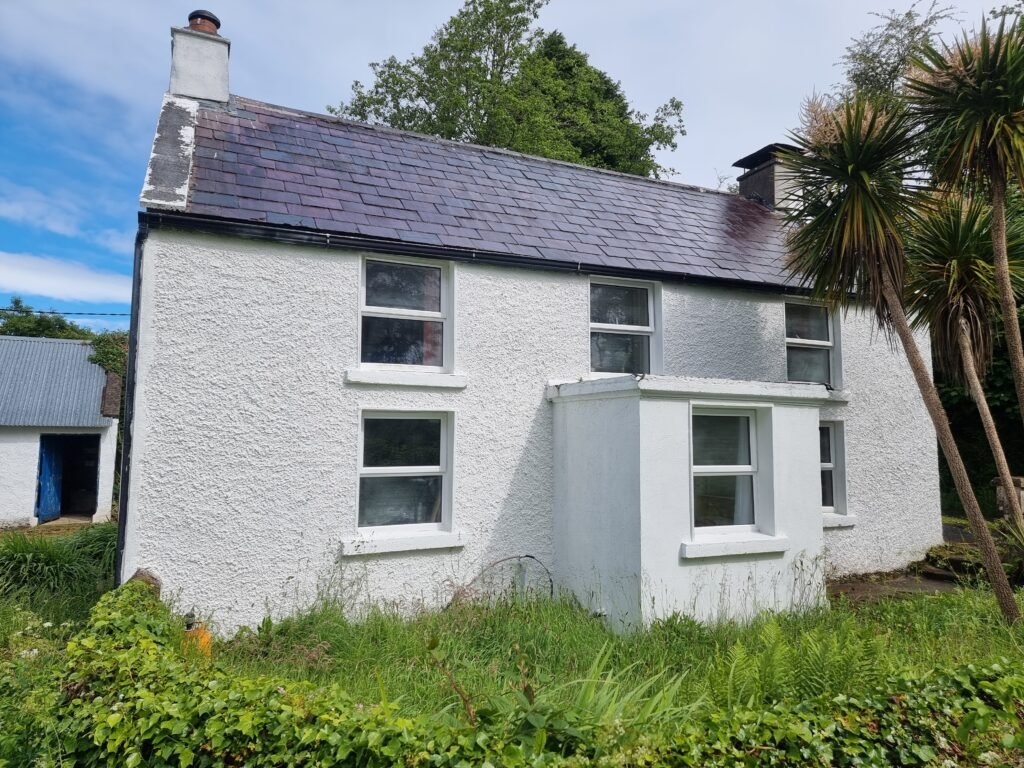
Buying a traditional Irish cottage is a dream for many people.
Whether it’s the character, the rural setting, or the dream of restoring an older home, these properties continue to attract buyers throughout Sligo, Mayo, Leitrim, Donegal, Roscommon, Longford, Cavan and the surrounding counties.
Over the years, I’ve inspected many traditional cottages across the North West of Ireland. While these properties can make wonderful homes, they often require a different approach to modern houses.
Older cottages shouldn’t automatically put buyers off. However, understanding how these buildings were constructed and maintained over time can help you make an informed decision before committing to one of life’s biggest investments.
Here are ten things I regularly discuss with buyers considering buying a traditional Irish cottage.
1. Dampness Doesn’t Always Mean Disaster in traditional Irish Cottages
One of the most common concerns I come across when surveying traditional cottages is dampness.
Traditional homes were often built using solid walls and breathable materials designed to allow moisture to move naturally through the structure. Problems can sometimes arise where modern materials, such as cement renders, impermeable paints or inappropriate insulation, have been introduced.
Signs that may warrant further investigation include:
- Damp staining
- Peeling decorations
- Musty odours
- Salt deposits to walls
- Timber decay associated with moisture
Finding dampness doesn’t necessarily mean you should walk away from a property, but understanding the cause is important before moving forward.
2. Traditional Construction Methods Behave Differently
Many traditional cottages throughout Sligo, Mayo, Leitrim and Donegal were constructed using solid stone or solid masonry walls rather than modern cavity wall construction.
These buildings perform differently from newer homes and generally benefit from sympathetic repairs using appropriate materials.
During surveys, I often discuss with buyers that older homes need to be understood rather than treated like modern properties.
3. Roof Coverings and Chimneys Require Careful Attention
Older roof structures can often perform remarkably well for their age. However, repairs, alterations and exposure to Ireland’s weather conditions can all influence their condition.
Common issues I encounter include:
- Defective or ageing slate coverings
- Weathered chimney stacks
- Deteriorated flashings
- Previous repair works of varying quality
- Localised timber decay associated with historic leaks
Roof repairs don’t necessarily mean a property should be avoided, but understanding potential future maintenance requirements can help buyers budget appropriately.
4. Ventilation is More Important Than Many Buyers Realise
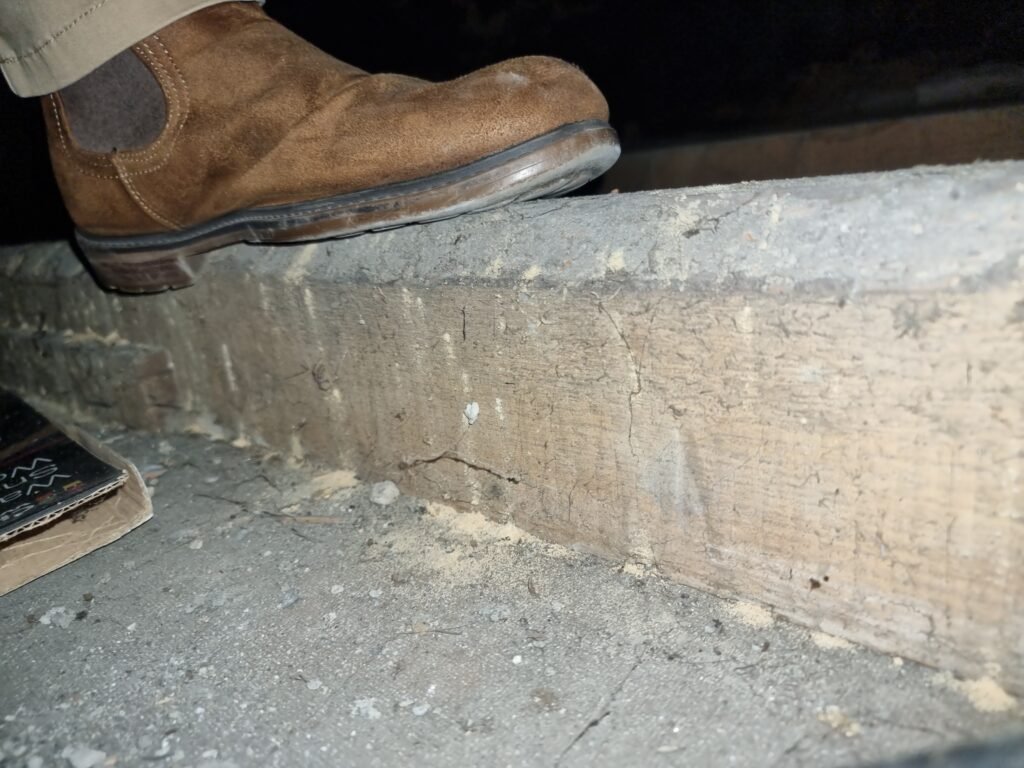
Traditional cottages were often designed to allow natural airflow through the building.
Modern upgrades, such as replacement windows, dry lining and insulation improvements, can sometimes alter how moisture behaves within the property.
Poor ventilation can contribute to condensation, mould growth and indoor air quality concerns.
Improving ventilation is often straightforward, but understanding how the property functions as a whole is important.
5. Private Wells are Common in Rural Properties
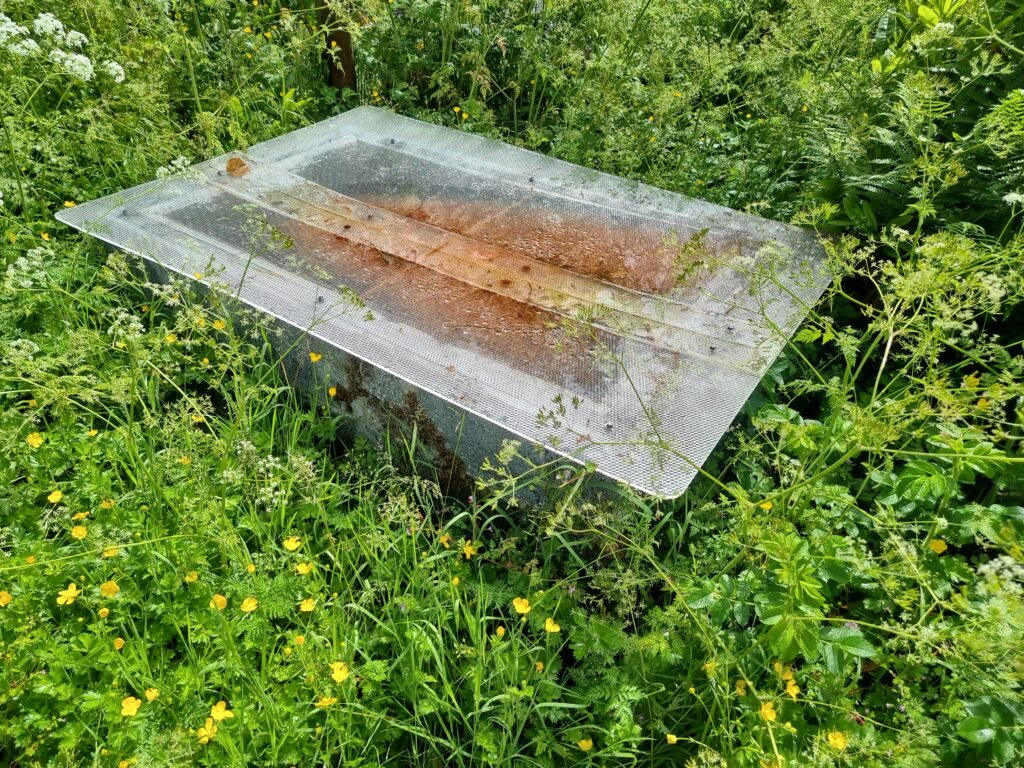
Throughout rural areas of Sligo, Mayo, Leitrim, Roscommon and Donegal, private wells are frequently encountered.
Many buyers are unfamiliar with private water supplies and may not have considered:
- Whether water quality testing has been undertaken
- Any treatment systems installed
- Ongoing maintenance requirements
- The location and accessibility of the well
Understanding the water supply arrangements before purchasing can help avoid unexpected surprises later.
If the property is served by a private well, Geological Survey Ireland provided useful guidance for homeowners.
6. Septic Tanks and Wastewater Systems Need Consideration
Many traditional cottages rely on septic tanks or private wastewater treatment systems rather than mains drainage.
During surveys, I often encourage buyers to establish:
- The type of system installed
- Its approximate age
- Maintenance and desludging history
- Whether any known issues exist
While these systems often operate effectively for many years, understanding your responsibilities as a future homeowner is important.
The EPA provides guidance on domestic wastewater treatment systems, including maintenance and homeowner responsibilities.
7. Timber Decay and Infestation Can Occur in Traditional Irish Cottages
Older properties can sometimes be affected by timber decay or insect infestation, particularly where moisture has been present over prolonged periods.
Areas commonly affected include:
- Roof structures
- Timber floors
- Areas adjacent to chimney breasts
- Locations affected by historic leaks
Identifying these issues early allows buyers to understand the extent of any repairs that may be required.
8. Heating and Energy Efficiency May Differ from Modern Homes
Traditional cottages were built long before modern energy efficiency standards.
While many older homes can be upgraded successfully, buyers should understand:
- The type and condition of the heating system
- Existing insulation arrangements
- Opportunities for sympathetic improvements
- The likely ongoing running costs
Many buyers accept slightly lower energy efficiency in exchange for character and location, but it is helpful to understand what this means in practical terms.
9. Alterations and Extensions Should be Considered
Many traditional cottages have evolved over time through extensions, renovations and alterations.
I regularly advise buyers to understand:
- How the property has changed over the years
- Whether documentation relating to significant works is available
- The quality of alterations undertaken
This helps build a clearer picture of the property as a whole.
10. Traditional Irish Cottages Require a Different Mindset
One of the most important conversations I have with buyers is around expectations.
Traditional cottages can make fantastic homes, but they often require a more proactive approach to maintenance than newer properties.
That doesn’t mean they should be avoided.
In fact, many people consider the character, setting and individuality of these homes to far outweigh the additional upkeep involved.
The key is understanding what you’re buying before you commit.
Why a Pre-Purchase Survey Matters
A pre-purchase survey or Advanced Property Surveys aren’t about finding reasons not to buy a property.
Instead, it’s about helping buyers understand the condition of the home, identify any issues that may require attention, and move forward with confidence.
Traditional Irish cottages can make wonderful homes. Having a clear understanding of their condition before purchase allows you to plan appropriately and avoid unnecessary surprises later on.
Frequently Asked Questions
Should I get a survey on a traditional Irish cottage?
Yes. Older properties often contain defects that are not immediately obvious during a viewing. A survey provides independent advice on the condition of the property before you commit.
Are damp problems common in old cottages?
Dampness can occur in traditional homes, particularly where inappropriate modern materials have affected how moisture moves through the building. Understanding the cause is more important than assuming the worst.
Should I test well water before buying?
If the property relies on a private well, understanding the quality of the water supply and any treatment arrangements is advisable.
Are septic tanks checked during a survey?
Surveys typically include a visual assessment of accessible drainage arrangements. Specialist inspections may be recommended where concerns exist.
Are traditional cottages expensive to maintain?
Not necessarily. However, they often benefit from a more proactive approach to maintenance compared to modern homes.
Independent Property Surveys Across the North West
At McGrath & Co Surveyors, we regularly undertake pre-purchase surveys on traditional cottages throughout Sligo, Mayo, Leitrim, Donegal, Roscommon, Longford, Cavan and surrounding counties.
If you’re considering buying a traditional Irish cottage and would like independent advice before proceeding, we’re here to help.
McGrath & Co Surveyors
Independent Residential Property Surveys You Can Trust – Built on clarity and genuine care.